
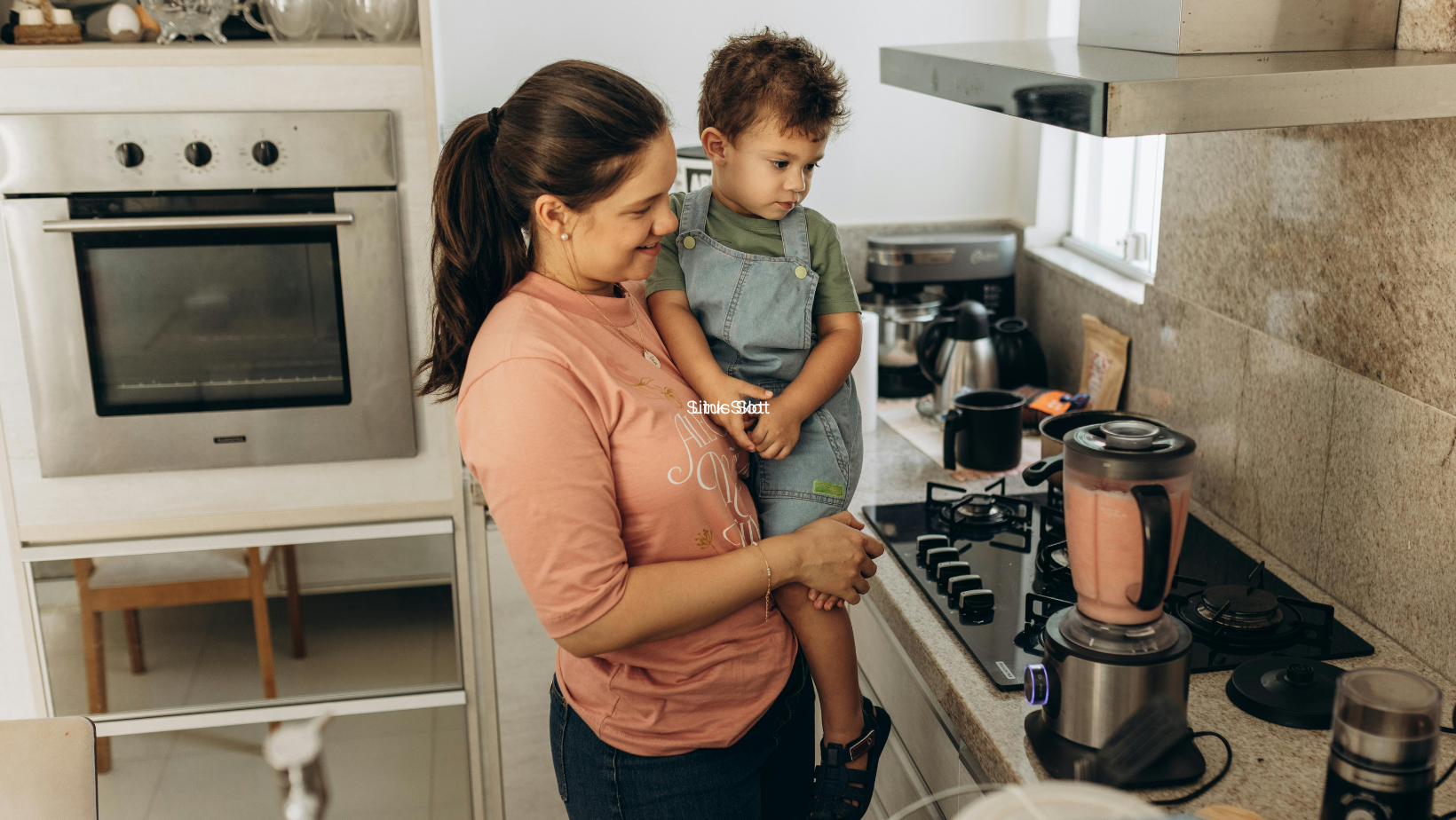
Babies, despite their tiny size, can be incredibly demanding. Ask any first-time parent, and chances are, the enormity of baby care tasks has caught them unaware. A baby can take over every aspect of the house, your coffee maker running overtime, and a dozen wash cycles added to your machine’s duties.
Many parents purchase a baby food maker to help with meal prep for growing babies. These handy devices can blend and puree foods quickly. Modern versions also allow you to steam and cook vegetables in a way that preserves nutrients while also saving time. Some can be used right from birth to sterilize bottles and warm milk.
The only catch? Ensuring, or rather convincing yourself, that the baby maker is clean enough to use. We present foolproof ideas to assure you that the appliance is clean and safe every time.
Every Part Needs Separate Cleaning
Your baby maker likely has multiple components. Blades, bowls, and anti-spill covers. A greater number of parts increases the likelihood that some of them may have leftover food particles. As parents, this is a natural progression to worrying about bacterial growth.
The solution is to look for baby food makers that allow the user to disassemble them completely, so you can clean each part. That said, the reassembly should not be time-consuming, as that will defeat the purpose of the appliance.
The CDC advises washing food-related items for infants in a separate container or basin with hot water. Dishwashing is also fine, depending on the product guidelines.
-
Avoid washing the parts directly in the sink. You may have cleaned the sink thoroughly, but why take a chance?
-
Next, air-dry the parts. Although using a washcloth may seem faster, it is also riskier. It can spread germs across surfaces.
Only Use Your Food Maker As Recommended
Typically, these appliances focus on cooking and preparing foods, such as steaming vegetables and making fruit purees. Some may offer a section to prepare milk bottles, i.e., sterilizing or warming them.
Either way, we must adhere to standard practices when using these appliances. For instance, infant nutrition experts advise mixing baby formula in a bottle and avoiding implements like whisks if possible. Prepping milk bottles in a separate appliance comes with risks, especially if you are unsure of its cleanliness.
This can be a problem for babies with weak immune systems or those born prematurely. As it is, ensuring that babies get proper nutrition and making decisions like choosing the best formula can be overwhelming. The ongoing NEC baby formula lawsuit highlights how many preemie babies developed an intestinal condition after consuming formula based on cow’s milk.
According to TorHoerman Law, formula milk brands like Similac and Enfamil are being held accountable for failing to warn parents about these risks.
So, as a thumb rule, preparing milk-related foods in these appliances may be best avoided. The residues can be tricky to clean, and guaranteeing recommended temperatures for formula milk can be difficult.
Descale Before You See Buildup
Baby food makers can develop scaliness or mineral buildup after a few uses. It can happen even if the water in your area is soft or treated. Since infants have delicate tummies, descaling is an integral part of cleaning their food makers.
Some brands recommend descaling at the first sign of buildup. It may appear as white, flaky residue that settles inside the appliance. You may have seen something similar on showerheads.
A more reassuring guideline is to perform descaling after a maximum of 8 uses, regardless of whether you do spot scaling. That way, you’ll proactively be inhibiting scale buildup and also saving yourself unnecessary anxiety.
-
Use the designated descaling solution some brands provide.
-
Or, use a sachet of citric acid with warm water. For some products, you can make a solution of white vinegar or lemon juice with water.
For the most part, vinegar is also perfect for descaling kettles and cleaning glassware that has turned cloudy. Still, for baby appliances, you should confirm this by checking the product manual or calling customer care.
After descaling is done, you will need to run a steaming cycle. Ensure you do this with an empty jar and repeat it if you feel it is necessary.
Tip: Check whether you’re looking at scaling or discoloration in a specific part of the appliance. If it is the latter, descaling won’t fix anything. Usually, discoloration does not compromise the product’s functioning. If you feel unsure, the best action is to contact the company.
There you go. We hope these considerations will help you feel more confident about using and maintaining your baby food maker. It can be a handy gadget for busy parents, minimizing both time and effort, i.e., optimizing rare resources in a home with small children.
As a parent, you don’t mind taking the extra effort to keep things in perfect order for your children. Over time, a few precautions and additional cleaning can prove
rewarding by facilitating better immunity and fewer sick days. They also bring peace of mind for everyone involved.