
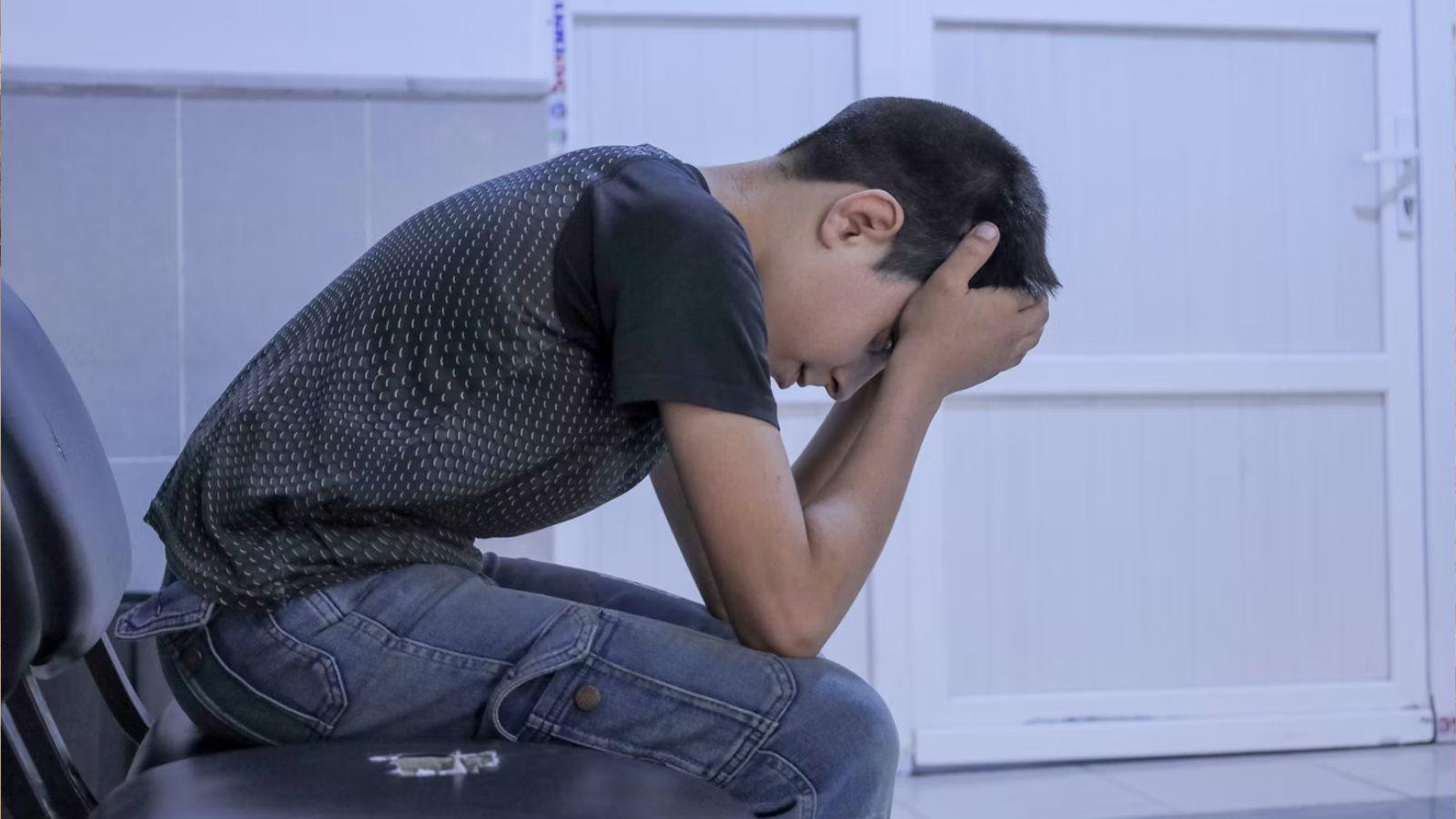
When a serious illness enters a household, adults often focus on appointments, medication schedules, financial concerns, and treatment outcomes. Children may appear to remain on the sidelines during all of this, especially if they continue going to school or following their normal routines.
In some cases, research has found that difficult early-life experiences were linked to reduced quality and quantity of white matter connections throughout the brain. The effects of this were seen in weaker performance in mental arithmetic and receptive language tasks. These findings came from a study of 9,082 children with an average age of 9.5 years.
Clearly, family crisis situations can have a serious impact on a child. Family health crises can shape childhood experiences in ways that continue long after the immediate medical situation ends. In this article, we will take a closer look at how health crises in the family affect children.
Children Often Become Emotional Caretakers Before Adults Realize It
One of the quieter changes that happens during a family health crisis is the way children begin taking on emotional responsibilities that would normally belong to adults. This does not always look dramatic from the outside.
A child may start helping younger siblings get ready for school, become unusually attentive to a parent’s mood, or avoid asking for things because they sense the household is already under strain. Over time, many children begin monitoring the emotional temperature of the home almost constantly.
In some households, these responsibilities become far more direct, and this happens more commonly than you might think. An estimated 5.4 million children under age 18 in the United States are providing ongoing care for family members with health-related needs, and the proportion of caregiving youth has grown 250% over the past 15 years.
Children in these situations often mature quickly in practical ways while quietly struggling emotionally. Some feel guilty whenever they focus on themselves or participate in normal childhood activities. Others begin associating love with responsibility and self-sacrifice.
Sadly, many adults praise children for “being strong” during difficult periods. However, this often comes with emotional suppression that develops as a survival habit.
The Effects Can Continue Long After the Crisis Appears Over
Parents who work in some environments, like railroads, often have long-term exposure to asbestos, diesel exhaust, and other toxic materials. This has been found to significantly increase the risk of serious respiratory cancers.
Children of such workers experience significant stress, seeing the health of their parent slowly decline into something dreaded like cancer. Some children process these experiences immediately, while others, when older, feel inspired to seek justice on behalf of their loved ones. They might pursue a railroad lawsuit lung cancer claim as a way to seek accountability.
It helps them to know that they have helped prevent other families from experiencing a similar crisis. As Gianaris Trial Lawyers explains, these lawsuits can be filed on a contingency basis (fees charged only if the lawsuit is won). This makes it very attractive for people wanting to seek justice.
Such grief can also remain unresolved long after a loss occurs. One systematic review found that the prevalence of prolonged grief as a result of losing a loved one to cancer was 48%. While sibling death was more devastating, at 59% prolonged grief, loss of a parent was also significant, at 28% prolonged grief prevalence. Risk factors that worsened the grief included pre-existing depression and emotional problems.
Stress Inside a Household Rarely Stays Contained to One Person
Children are deeply affected by the emotional state of the adults around them, even when parents try to shield them from stress. A household does not need to be openly chaotic for children to feel emotionally unsettled.
Constant worry, emotional exhaustion, and tension can quietly reshape the atmosphere of daily life. As a result, children often respond to this by becoming hyperaware of small changes in tone, facial expressions, or routine.
Likewise, the stress that parents experience is also a significant factor. In a large-scale post-pandemic study of over 17,000 families, 53.7% of parents scored above the threshold for moderate-to-high parenting stress. When broken down, 13.5% showed signs of anxiety, and 14.6% showed signs of depression and stress levels.
Children frequently internalize this stress in ways adults may misinterpret. A child who suddenly struggles in school may not be distracted or lazy. They may simply be mentally exhausted from existing in a tense environment every day. Younger children may regress emotionally, while older children may become perfectionistic because they are trying to regain a sense of stability and predictability.
Health crises can also change the rhythm of family life. Conversations begin revolving around appointments, treatments, insurance paperwork, or financial concerns. Moments of relaxation can start feeling temporary or interrupted. Children often sense this instability before anyone directly explains what is happening. This type of uncertainty can create a lingering feeling of emotional insecurity within the home.
Frequently Asked Questions
1. What are common signs that a child is emotionally overwhelmed at home?
Children often show emotional stress indirectly. Some become unusually quiet, clingy, irritable, or withdrawn, while others may suddenly struggle in school or have trouble sleeping. Younger children might regress to earlier behaviors, and older kids sometimes become overly responsible or emotionally distant without explaining why.
2. What role does routine play in helping children feel secure during crises?
Routine gives children a sense of predictability when other parts of life feel unstable. So, regular meals, school schedules, bedtime habits, and small family rituals can help create emotional grounding. Even simple consistency can reassure children that not everything around them is changing or out of control.
3. How should parents explain terminal illness to young children?
Parents should use clear, age-appropriate language and avoid confusing euphemisms that may create fear or misunderstanding. Children usually cope better with honest explanations that are delivered calmly and gently. It also helps to encourage questions and reassure children that their feelings, including fear or sadness, are normal.
Key Numbers & Facts at a Glance
|
Childhood Grief Response to Cancer |
48% prevalence of prolonged grief after losing a loved one to cancer |
|
Percentage of Caregiving Youth |
5.4 million children under the age of 18 years |
|
Parental Stress Levels |
53.7% of parents experience moderate-to-high stress |
|
Impact of Difficult Early Life Experiences |
Reduced quality and quantity of brain white matter, and weaker mental arithmetic/receptive language tasks |
All things considered, family health crises affect far more than physical well-being inside a home. Even when adults believe they are protecting children from difficult realities, children are usually aware that something important has changed. This is why it is so important for parents and relatives to routinely check on how the young ones are doing.
Recognizing how children experience stress during family illness is important because the effects are often subtle at first. Families cannot remove every hardship from a child’s life. That would be close to impossible. That said, acknowledging emotional strain early can help prevent those experiences from shaping a child’s development for years afterward.