
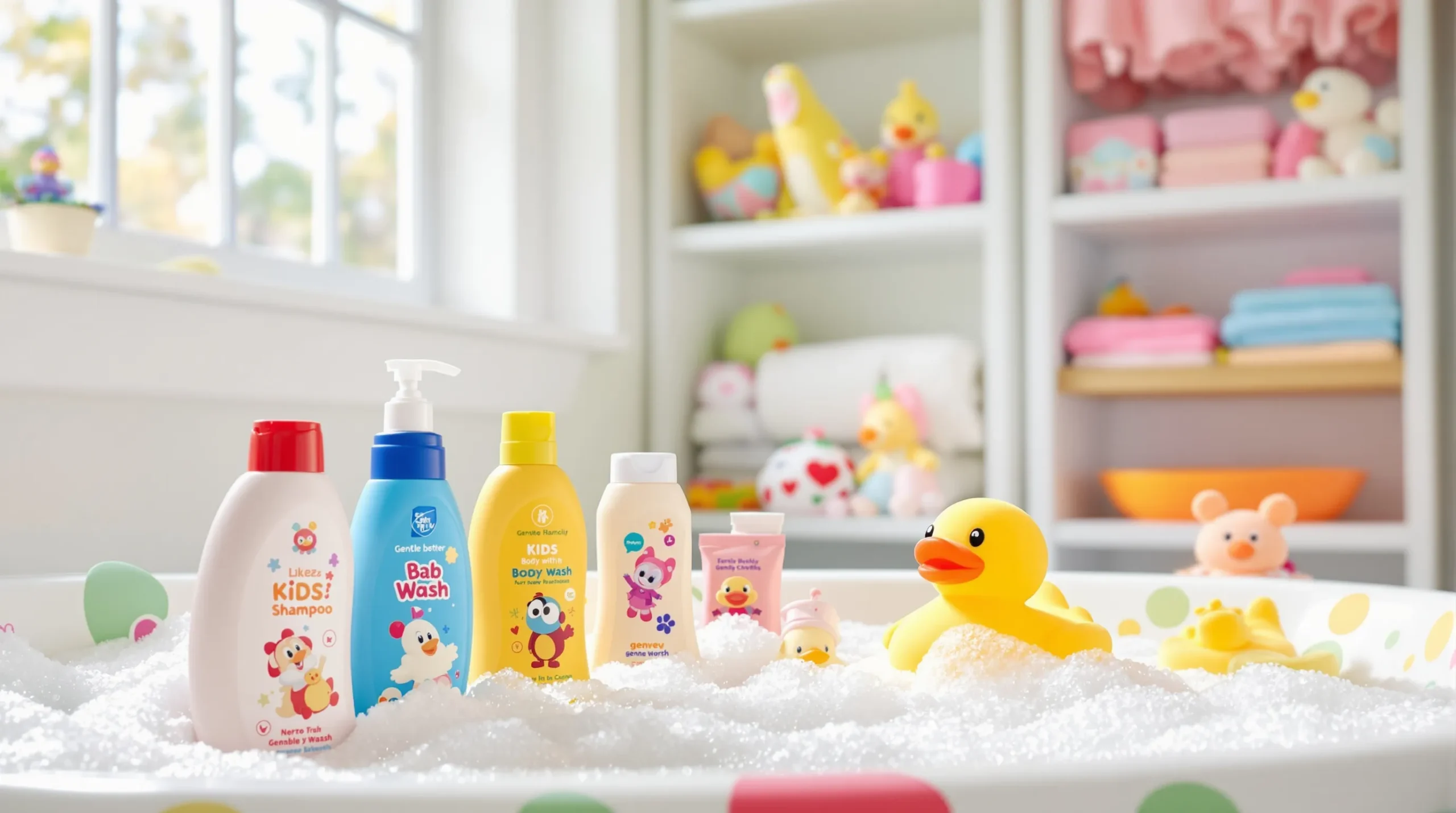
Picture this: It’s bath time, your toddler’s hair is a sticky mess of applesauce and playground dirt, and you’re holding a bottle of kids shampoo and body wash, hoping it’ll do the trick without tears or drama. If you’ve ever wondered what’s really in that bottle—or if you’re using the right one—you’re not alone. The world of kids shampoo and body wash is full of surprises, and not all of them are good. Here’s what every parent should know before the next splashy bath.
Why Kids Shampoo and Body Wash Matter More Than You Think
Let’s be honest: Kids have a knack for getting dirty in ways adults can’t even imagine. But their skin and hair aren’t just smaller versions of ours—they’re more sensitive, more absorbent, and more prone to irritation. That’s why the right kids shampoo and body wash isn’t just a nice-to-have. It’s a must.
Here’s the part nobody tells you: Many adult products contain harsh detergents, fragrances, and preservatives that can dry out or even damage young skin. Kids products, on the other hand, are designed to be gentler. But not all are created equal.
What’s Actually in Kids Shampoo and Body Wash?
If you’ve ever squinted at the back of a bottle, you know the ingredient list can look like a science experiment. Let’s break it down:
- Sulfates: These make bubbles, but they can strip natural oils. Many parents now look for “sulfate-free” on the label.
- Fragrances: That “fresh watermelon” scent? It’s often synthetic. Some kids react to these, so unscented or naturally scented options are safer for sensitive skin.
- Preservatives: These keep the product from growing mold. Some, like parabens, have raised concerns, so many brands now use alternatives.
- Moisturizers: Ingredients like aloe, glycerin, or coconut oil help keep skin soft.
Here’s why this matters: Kids’ skin absorbs more than adult skin. What goes on their body can end up in their body. If you’ve ever noticed a rash or dry patches after bath time, the culprit might be hiding in plain sight.
How to Choose the Best Kids Shampoo and Body Wash
Standing in the store aisle, you’ll see dozens of options. Some promise “tear-free” formulas, others boast organic ingredients. It’s easy to get overwhelmed. Here’s what actually matters:
- Check for “Tear-Free” (But Don’t Trust It Blindly): This usually means the formula is less irritating to eyes. But every kid is different. If your child still complains, try a different brand.
- Look for Short Ingredient Lists: Fewer ingredients often mean fewer chances for irritation. If you can’t pronounce half the list, that’s a red flag.
- Go Fragrance-Free for Sensitive Skin: If your child has eczema or allergies, skip the scents. Even “natural” fragrances can cause problems.
- Choose Products Made for Kids: Adult shampoos and body washes are too harsh for little ones. Stick with products labeled for kids or babies.
- Consider Eco-Friendly Options: Some kids shampoo and body wash brands use biodegradable ingredients and recyclable packaging. Good for your child, good for the planet.
If you’ve ever felt guilty for grabbing the cheapest bottle, don’t. We’ve all done it. But a few extra minutes reading labels can save you headaches (and doctor visits) down the road.
Common Mistakes Parents Make (And How to Avoid Them)
Let’s get real. Even the most careful parents slip up. Here are a few classic mistakes—and how to dodge them:
- Using Too Much Product: More bubbles don’t mean cleaner kids. A dime-sized amount of kids shampoo and body wash is usually enough.
- Skipping Patch Tests: Always test a new product on a small patch of skin before using it all over. It’s a five-minute step that can prevent days of itching.
- Ignoring Expiration Dates: Yes, shampoo and body wash expire. Old products can harbor bacteria or lose effectiveness.
- Assuming “Natural” Means Safe: Poison ivy is natural, but you wouldn’t rub it on your child. Always check for allergens, even in natural products.
Here’s the lesson: Trust your instincts, but back them up with a little research. If something seems off, switch it up.
Kids Shampoo and Body Wash: Who Needs What?
Not every child needs the same product. Here’s a quick guide:
- Babies (0-12 months): Use ultra-gentle, fragrance-free cleansers. Their skin is extra delicate.
- Toddlers (1-3 years): Look for tear-free, moisturizing formulas. They’re messy, but still sensitive.
- Kids (4+ years): You can try fun scents or foaming washes, but watch for irritation. Let older kids help pick their own to encourage good hygiene.
If your child has eczema, allergies, or super-dry skin, talk to your pediatrician before trying new products. Sometimes, less is more.
What to Do If Your Child Reacts
Redness, itching, or bumps after using a new kids shampoo and body wash? Don’t panic. Here’s what to do:
- Stop using the product immediately.
- Rinse the skin with cool water.
- Apply a gentle, fragrance-free moisturizer.
- If symptoms persist, call your pediatrician.
Most reactions clear up quickly, but it’s always better to be safe. Keep the bottle so you can show your doctor the ingredients if needed.
Tips for Making Bath Time Fun (and Safe)
Let’s face it: Bath time can be a battle. The right kids shampoo and body wash can help, but so can a few tricks:
- Let your child pick the bottle (from parent-approved options).
- Use bath toys or songs to distract from hair washing.
- Teach older kids to wash themselves with supervision.
- Keep water lukewarm, not hot.
- Rinse thoroughly to avoid residue.
Here’s the secret: The less stress you feel, the more your child will enjoy bath time. It’s not about perfection—it’s about connection.
Final Thoughts: What Every Parent Should Remember
Choosing the right kids shampoo and body wash isn’t about chasing the fanciest label or the trendiest scent. It’s about protecting your child’s skin, building healthy habits, and maybe even making bath time something you both look forward to. If you’ve ever felt lost in the bath aisle, you’re not alone. Trust your gut, read the labels, and remember: You know your child best.
Next steps: Try a patch test with your next bottle, watch for any reactions, and don’t be afraid to switch if something doesn’t feel right. Your child’s skin will thank you—and so will your future self, when bath time is a little less of a battle.