
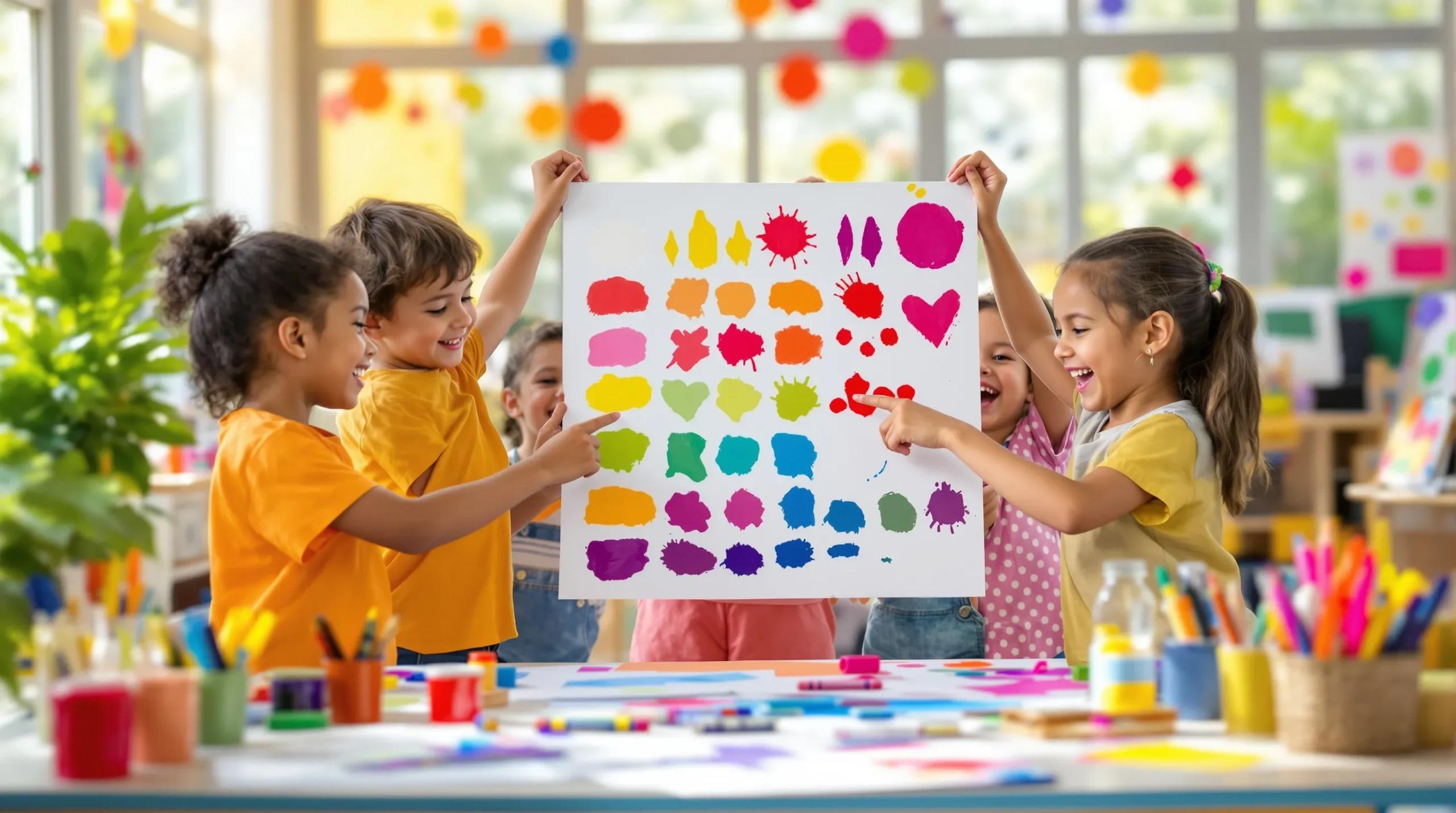
Picture this: a four-year-old sits at the kitchen table, tongue poking out in concentration, clutching a crayon. She asks, “Is this blue or purple?” You pause. The crayon’s wrapper says “periwinkle.” You both laugh, a little lost. If you’ve ever wished for a simple way to help kids make sense of colors, you’re not alone. A color chart for kids isn’t just a classroom tool—it’s a ticket to a world where learning feels like play.
Why a Color Chart for Kids Matters
Kids don’t just see colors—they feel them. Red means excitement. Blue feels calm. But ask a preschooler to pick out “turquoise” or “maroon,” and you’ll see confusion. A color chart for kids bridges that gap. It turns abstract color names into something they can see, touch, and remember. Here’s why that matters:
- Language development: Kids learn to match words with what they see.
- Confidence: They feel proud when they get it right.
- Creativity: More colors mean more ways to express themselves.
Here’s the part nobody tells you: color charts aren’t just for art. They help with sorting, pattern recognition, and even early math. If you’ve ever watched a child sort blocks by color, you’ve seen a color chart in action—just without the paper.
What Makes a Great Color Chart for Kids?
Not all color charts are created equal. Some are cluttered, some use colors that look nothing like the real thing, and some forget that kids are, well, kids. The best color chart for kids is simple, bright, and easy to use. Here’s what to look for:
- Big, bold swatches: Tiny dots don’t cut it. Kids need to see the difference.
- Clear labels: Use words kids actually hear—think “sky blue” over “cerulean.”
- Durable material: Laminated charts survive sticky fingers and spilled juice.
- Age-appropriate range: For toddlers, stick to basics. For older kids, add shades like “peach” or “olive.”
Let’s break it down: if your child is just learning to talk, a chart with six colors is perfect. If they’re mixing paints or picking out outfits, go for a chart with twenty or more shades. The right color chart for kids grows with them.
How to Use a Color Chart for Kids at Home
Here’s where the magic happens. A color chart for kids isn’t just for pointing and naming. It’s a launchpad for games, stories, and real-life learning. Try these ideas:
- Color scavenger hunt: Ask your child to find something in the room that matches each color on the chart.
- Sorting games: Use blocks, buttons, or socks. Sort by color, then by shade.
- Art time: Let your child pick colors from the chart to use in a drawing or painting.
- Storytelling: Make up stories about characters who love certain colors. “Why does the dragon only wear green?”
If you’ve ever struggled to keep a toddler’s attention, you know the power of a new game. A color chart for kids turns everyday moments into learning opportunities. And yes, it’s okay if you get a little competitive during the scavenger hunt.
Common Mistakes and How to Avoid Them
Let’s be honest: not every color chart for kids works. Some are too complicated. Some use colors that look nothing like the real thing. Here’s what I learned the hard way:
- Too many colors: Kids get overwhelmed. Start simple.
- Confusing names: “Magenta” sounds fancy, but “pink” is easier for beginners.
- Poor printing: If the red looks orange, kids will get frustrated.
Here’s the fix: test the chart yourself. Ask your child to point to “yellow.” If they hesitate, the chart might need tweaking. Don’t be afraid to make your own. Sometimes, the best color chart for kids is the one you create together with crayons and paper.
Who Should Use a Color Chart for Kids?
If you’re a parent, teacher, or caregiver of kids ages 2 to 8, a color chart for kids is your friend. It’s perfect for:
- Preschool classrooms
- Homeschooling families
- Speech therapists
- Art teachers
- Anyone who wants to make learning colors fun
But here’s the truth: if your child already knows every color in the crayon box and can tell the difference between “aqua” and “teal,” you might not need a chart. For most kids, though, it’s a simple way to build skills and confidence.
Tips for Making Your Own Color Chart for Kids
Store-bought charts are great, but making your own can be even better. Here’s how:
- Pick 6-12 colors your child sees every day.
- Use crayons, markers, or paint to make big, clear swatches.
- Label each color with a word and, if your child is learning to read, the first letter in bold.
- Laminate the chart or cover it with clear tape for durability.
Making a color chart for kids together turns learning into a shared adventure. You’ll laugh at the names your child invents (“banana yellow” is a classic), and you’ll both remember the experience.
Color Chart for Kids: Beyond the Basics
Once your child knows the basics, you can use a color chart for kids to teach more. Try these ideas:
- Mixing colors: Show how red and yellow make orange. Let your child experiment.
- Shades and tints: Compare “light blue” and “dark blue.”
- Patterns: Use the chart to create color patterns with blocks or beads.
- Emotions: Talk about how colors make us feel. “What color is happy?”
Here’s the part nobody tells you: a color chart for kids isn’t just about colors. It’s about seeing the world in new ways, asking questions, and making connections. That’s the real magic.
Next Steps: Bringing Color Into Everyday Life
If you want your child to love learning, start with what they see every day. Hang a color chart for kids on the fridge. Play color games in the car. Let your child pick out their own clothes using the chart as a guide. The more you use it, the more natural it feels.
And if you ever find yourself arguing over whether something is blue or purple, remember: you’re not just teaching colors. You’re building memories, one crayon at a time.