
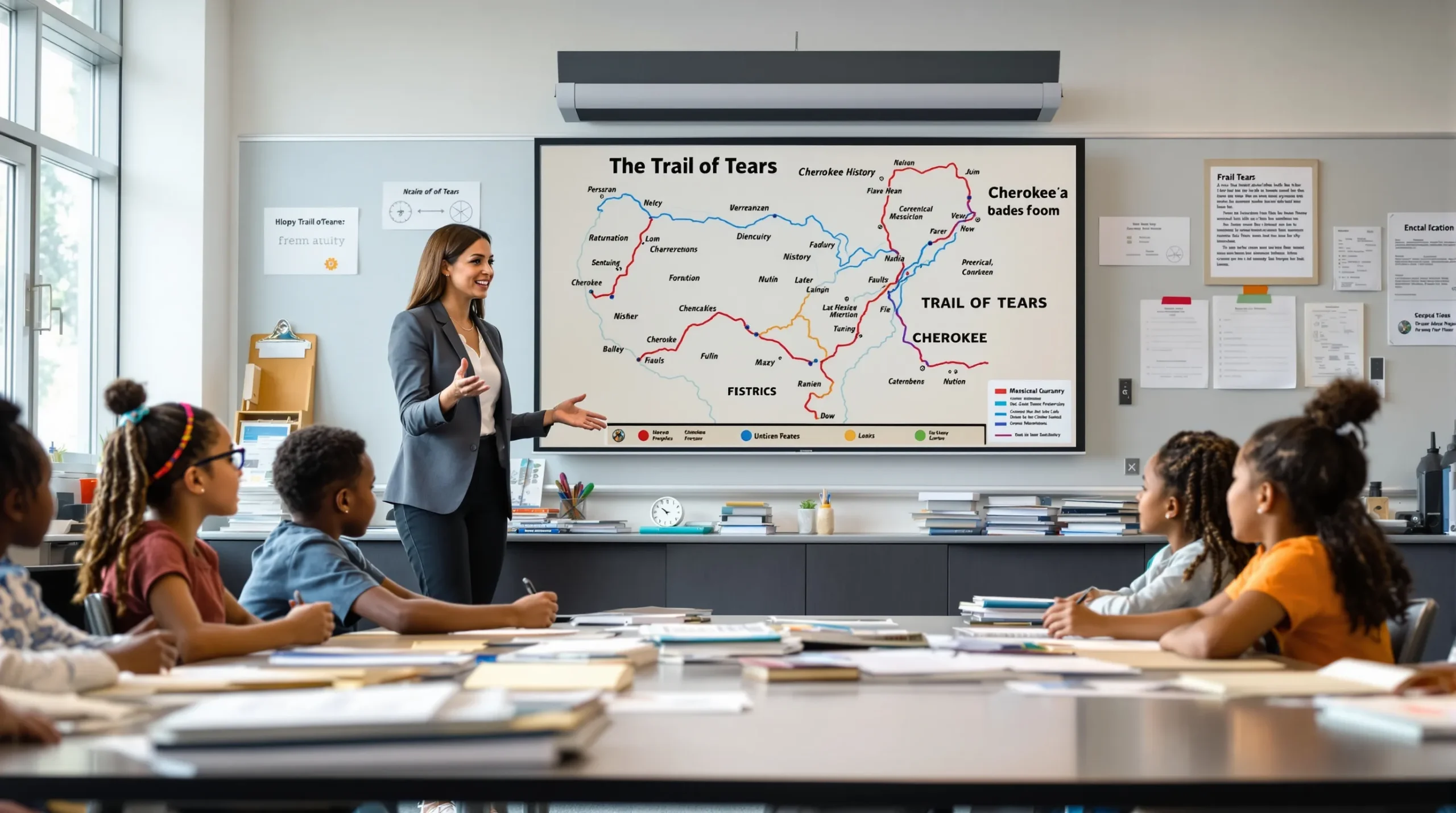
Imagine walking barefoot for hundreds of miles, your feet aching, your family hungry, and the only thing you know for sure is that you can’t go home. That’s the reality thousands of Native American kids faced during the Trail of Tears. If you’ve ever wondered what the Trail of Tears for kids really meant, you’re about to find out. This isn’t just a story from a dusty textbook—it’s a journey that changed lives forever, and it still matters today.
What Was the Trail of Tears for Kids?
The Trail of Tears for kids wasn’t just a long walk. It was a forced journey that took place in the 1830s, when the United States government made Native American families leave their homes in the Southeast and move to what’s now Oklahoma. The main groups forced to move were the Cherokee, Creek, Choctaw, Chickasaw, and Seminole tribes. The government called it “removal.” For the kids, it felt like losing everything.
Why Did This Happen?
Here’s the part nobody tells you: the land the tribes lived on was valuable. White settlers wanted it for farming, especially after gold was found in Georgia. The government passed the Indian Removal Act in 1830, which gave them the power to push Native Americans off their land. President Andrew Jackson signed it, and the message was clear—leave, or be forced out.
How Far Did They Have to Go?
Some families walked over 1,000 miles. Imagine walking from New York City to Florida, but with no shoes, little food, and winter storms. Kids carried younger siblings, helped their parents, and tried to keep hope alive. Many didn’t make it. Historians estimate that about 4,000 Cherokee people died on the journey, and kids made up a heartbreaking part of that number.
What Was Life Like on the Trail?
Let’s break it down. Every day on the Trail of Tears for kids meant waking up cold, hungry, and scared. Food was scarce. Sometimes, all they had was a handful of corn or a piece of bread. Water wasn’t always clean. Disease spread quickly—measles, whooping cough, and dysentery were common. If you’ve ever been sick and wished for your bed, imagine being sick with no home at all.
- Clothing: Many kids wore the same clothes for weeks. When it rained, they got soaked. When it snowed, they shivered.
- Family: Families tried to stay together, but sometimes parents and kids got separated. Some children lost parents along the way.
- Hope: Kids told stories and sang songs to keep spirits up. Some carried small keepsakes from home—a doll, a stone, a feather.
Here’s why this matters: these details aren’t just sad facts. They show how strong kids can be, even when the world feels unfair.
Stories From the Trail: Real Kids, Real Courage
Let’s meet a few kids who lived through the Trail of Tears. John Ridge was a Cherokee boy who wrote about his family’s journey. He described the cold, the hunger, and the fear. But he also remembered moments of kindness—like strangers who shared food, or elders who told stories by the fire.
Another story comes from a girl named Sallie, who lost her parents on the trail. She was taken in by another family and survived, but she never forgot the home she left behind. These stories remind us that the Trail of Tears for kids wasn’t just about loss—it was about bravery, too.
What Did Kids Learn From the Trail of Tears?
If you’ve ever struggled with change, you know it’s hard. The kids on the Trail of Tears learned to adapt fast. They learned to help each other, to share what little they had, and to keep going even when things seemed impossible. Some kids grew up to be leaders in their new communities. They taught their own children about the journey, so the story wouldn’t be forgotten.
Lessons for Today
Here’s the truth: the Trail of Tears for kids isn’t just history. It’s a lesson about fairness, courage, and standing up for what’s right. If you see someone being treated unfairly, you can speak up. If you feel like giving up, remember the kids who kept walking, even when they were scared.
Why Do We Still Talk About the Trail of Tears for Kids?
Some people ask, “Why do we have to learn about sad things?” The answer is simple. If we forget, we risk making the same mistakes. The Trail of Tears for kids shows what happens when people are treated as less than human. It also shows how strong kids can be, even in the worst times.
Today, many schools teach about the Trail of Tears for kids so we can honor those who suffered and learn from their strength. Native American communities still remember and share these stories. Some families visit the old trails, leaving flowers or prayers for the children who never made it home.
What Can You Do?
If you want to honor the kids of the Trail of Tears, start by learning their stories. Read books, watch documentaries, or talk to Native American elders if you can. Share what you learn with friends and family. If your school has a project on the Trail of Tears for kids, dig deeper—find a story that moves you, and tell it in your own words.
- Read “Soft Rain: A Story of the Cherokee Trail of Tears” by Cornelia Cornelissen
- Visit a local museum or historical site
- Write a letter or draw a picture to remember the kids who walked the trail
Here’s the part nobody tells you: history isn’t just about the past. It’s about what you do with it now. The Trail of Tears for kids is a story of loss, but also of hope. If you remember their courage, you can find your own, too.
Who Is This For?
This story is for anyone who wants to understand what real courage looks like. It’s for kids who wonder if they can make a difference. It’s for teachers, parents, and anyone who believes that every child’s story matters. If you’re looking for a story with a happy ending, this isn’t it. But if you want to learn about strength, kindness, and hope, you’re in the right place.
The Trail of Tears for kids isn’t just a chapter in a book. It’s a reminder that even in the hardest times, kids can be heroes. And that’s a lesson worth remembering.